
sound surpressed
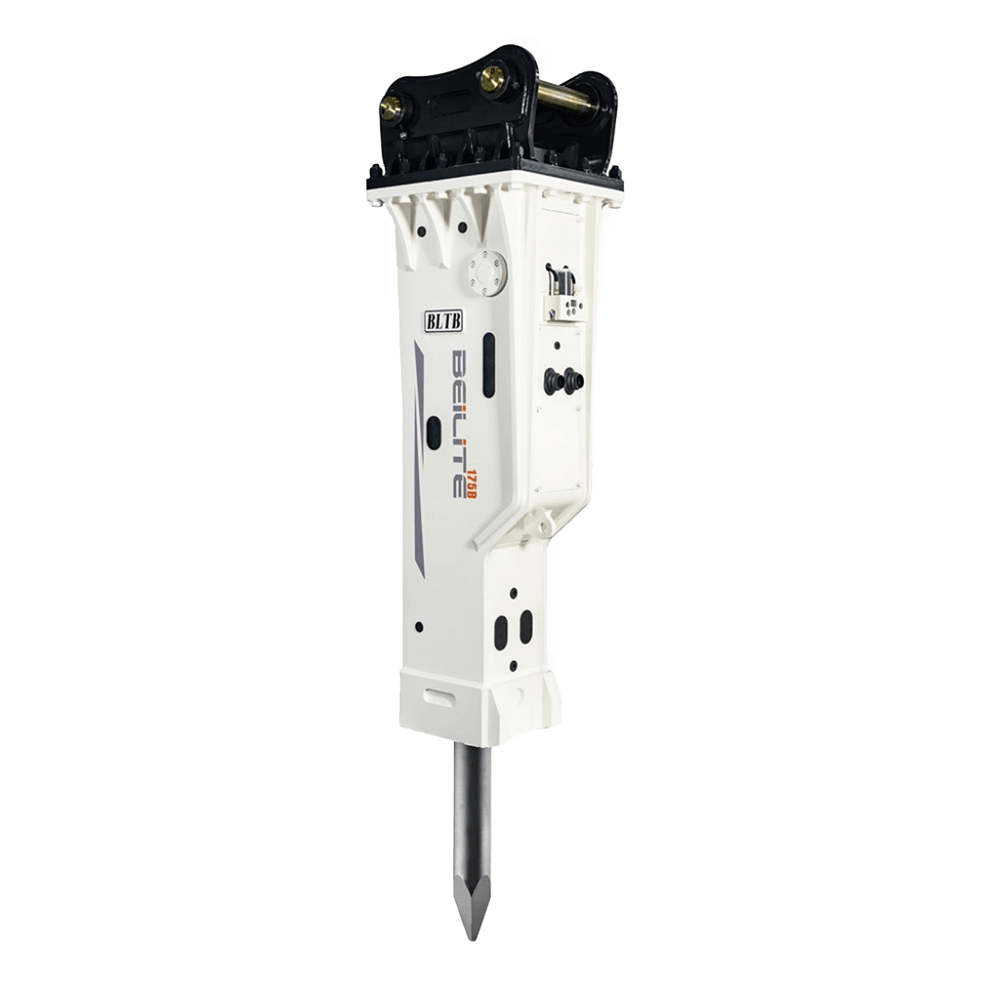
hydraulic breakers
manufacturers & suppliers
BEILITE’s sound surpressed hydraulic breakers not only fill a gap in the market for eco-friendly demolition equipment but also deliver long-term value to users thanks to their exceptional durability. They offer customized, plug-and-play noise-reduction solutions.
Quiet on the outside,
powerful on the inside
Industry-leading hydraulic breakers. Up to 80% noise reduction with uncompromised impact force, designed specifically for noise-sensitive projects and nighttime construction.
PRODUCT LINE
HOUSING TYPE
APPLICABLE CARRIER
Power Type
Tool Diameter
Why You Should Trust BEILITE
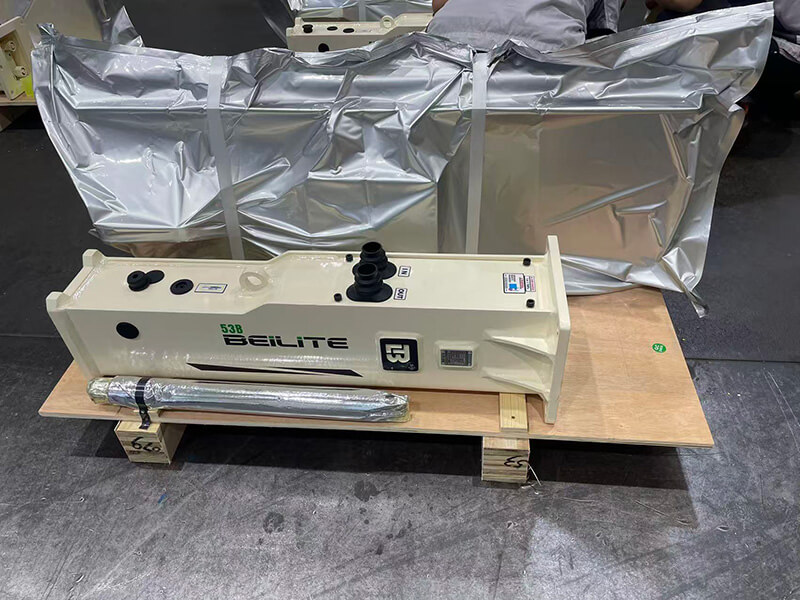
flexible, low minimum order quantities
We understand that inventory costs and cash flow are key concerns for distributors. BEILITE breaks with industry conventions by offering highly competitive MOQs.
There’s no need to stockpile large quantities. Easily introduce our noise-reducing breakers, test the market in your region, and quickly gather feedback from end users. Reduce warehousing costs and maintain healthy, flexible cash flow to adapt to dynamic market demands.
Whether you’re a large wholesaler or a growing distributor, our flexible minimum order quantity policy is designed to grow alongside you and achieve mutual success.
stringent international certifications
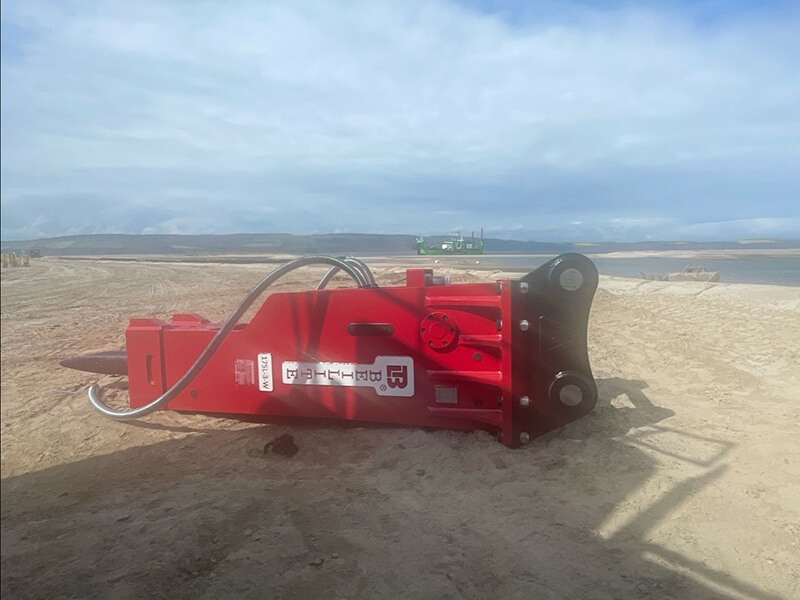
Quality and compliance are key to entering the market. BEILITE strictly adheres to the highest international manufacturing standards. This enables you to confidently conduct business with end users and easily build a regional brand reputation.
Our entire line of noise-reducing circuit breakers is ISO 9001 and CE certified, ensuring stable performance, safety, and reliability, and meeting the strict market access requirements of Europe and the United States.
From factory quality inspections to customs clearance, we provide a complete set of accurate certification documents and technical support to ensure efficient customs clearance and eliminate the risk of goods being detained.
why choose BEILITE quiet hydraulic breakers?
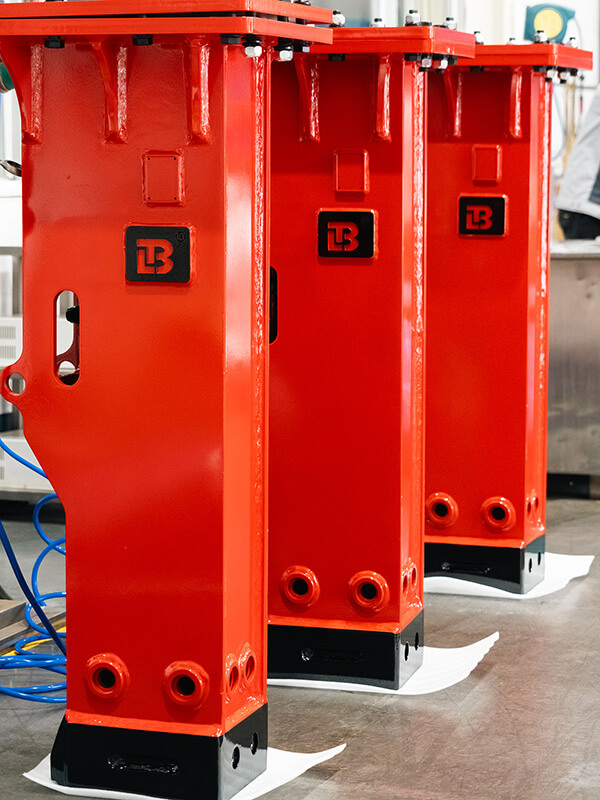
With the acceleration of global urbanization and increasingly stringent environmental regulations, customer demand for “low-noise, high-efficiency” construction equipment is skyrocketing. As a manufacturer, BEILITE has dedicated itself to developing silent hydraulic breakers—a product that represents not only a technological upgrade but also a key tool for you to capture the high-end construction machinery market.
ultimate noise cancellation
Featuring a fully enclosed soundproof housing and polymer sound-absorbing materials, combined with an optimized internal airflow design, this system reduces operational noise by 10–15 decibels. It fully complies with the stringent environmental and noise control regulations in Europe, the United States, and first- and second-tier cities worldwide. This enables your customers to easily secure high-profit projects—such as municipal engineering and nighttime emergency response operations—and expand their sales channels.
patented shock absorption technology
“Quiet” does not mean “weak.” The optimized piston geometry is perfectly matched with the high-frequency nitrogen accumulator, ensuring that while noise is reduced, the energy and frequency of each strike actually increase rather than decrease.
lossless power delivery
In scenarios such as urban renewal, interior demolition, and utility trench excavation—where space is extremely limited—long equipment often cannot be deployed effectively. The side-mount design inherently features a compact front-to-back span, and we have eliminated redundant housing structures in our design. This allows your equipment to easily access narrow alleys and work on low-ceilinged floors, enabling you to take on the “toughest” projects that other equipment cannot handle and expand your business reach.
one device, multiple uses
Engineered for complex working conditions, it is equally capable of handling urban building demolition and road resurfacing, as well as underground utility network construction and tunnel projects. A single machine covers a wide range of applications, helping you easily meet the procurement needs of different types of customers and accelerate inventory turnover.
seamless compatibility
It offers a variety of standard hydraulic connections that seamlessly integrate with excavators from leading global brands such as Caterpillar, Komatsu, Hitachi, and Volvo.
FAQs about hydraulic breakers
Q: What Is a Sound‑Insulated Hydraulic Breaker?
A: Sound‑insulated hydraulic breaker—also known as a fully enclosed or silenced breaker—is a hydraulic hammer designed with a protective steel housing that surrounds the entire breaker body. Unlike standard open-type models, where the main components are partially exposed, a sound‑insulated breaker is encased within a robust outer shell lined with noise‑reducing and shock‑absorbing materials.
The fully enclosed steel housing acts as a physical barrier that blocks and contains much of the noise generated during operation. When the piston strikes the tool, high-impact energy creates both airborne noise and structure-borne vibration. In a sound‑insulated design, the housing reduces the direct transmission of these sound waves into the surrounding environment. Internal insulation materials absorb and dissipate acoustic energy, while strategically placed damping components minimize resonance within the casing itself.
Q: How do I know if a hydraulic breaker is compatible with my excavator?
A: There are four key parameters to verify: your excavator’s operating weight, auxiliary hydraulic flow output (GPM/LPM), auxiliary circuit operating pressure (PSI/Bar), and stick mounting configuration (pin-to-pin distance and pin diameter). All of these specifications can be found in your excavator’s operator manual or obtained from your excavator dealer. Share these figures with your breaker manufacturer or dealer, and they will be able to confirm compatibility or recommend the most suitable model for your machine.
Q: Why does it suppress sound?
Grease should be applied every two hours during operation. In particularly dusty, high-temperature, or high-stress operating environments, applications are required more frequently. Be sure to use the type of grease recommended by the manufacturer, as standard multi-purpose grease may not always be suitable. If the unit is equipped with an automatic lubrication system, regularly check that it is functioning properly and that the grease reservoir is full.
Efficient Remote Diagnostics
Why wait for an engineer to arrive on-site? Using advanced remote diagnostic tools, our technicians can quickly assess and accurately pinpoint problems in real time. We provide immediate, step-by-step technical guidance to get your hydraulic breaker back up and running quickly, minimizing downtime and service costs.
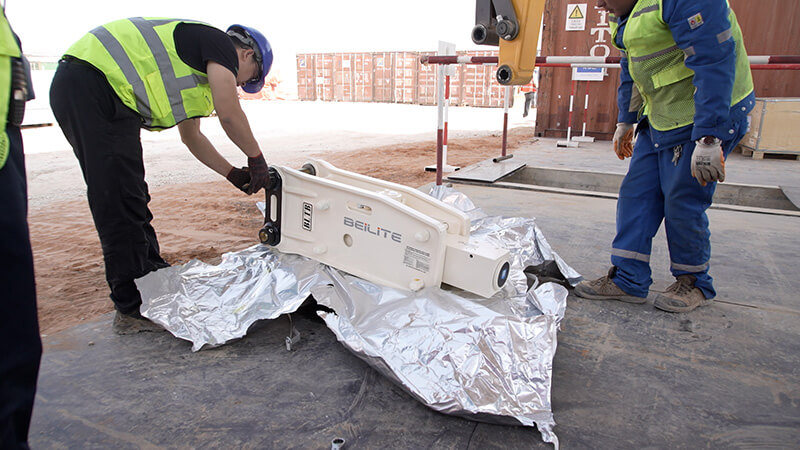
noise reduction: buying guide for sound-surpressed hydraulic breakers
In recent years, demand for low-noise construction machinery has grown significantly. As urban development accelerates and environmental regulations become increasingly stringent, construction teams are under growing pressure to minimize noise pollution at construction sites as much as possible. Hydraulic breakers, once known primarily for their powerful performance and high productivity, are now also evaluated based on their quiet operation.
Why Should You Choose the Quiet Model?
In modern construction—particularly in urban and regulated environments—noise control is no longer optional. Many cities enforce strict decibel limits, restrict working hours, or require low-noise equipment for projects near residential buildings, hospitals, schools, and commercial centers. A sound‑insulated hydraulic breaker enables contractors to comply with these regulations while maintaining productivity.
Beyond regulatory compliance, quieter equipment also enhances a company’s professional image, reduces community complaints, and minimizes the risk of project delays caused by noise violations.
Types of Sound‑Insulated Hydraulic Breakers
Sound‑insulated hydraulic breakers are available in a variety of configurations to suit different carrier sizes and applications. Understanding the available types will help you narrow down your options:
- Mini and compact breakers (fully enclosed): Designed for excavators in the 1–6 tonne range, these are ideal for interior demolition, utility work, and confined urban environments.
- Medium-class silenced breakers: Suited for excavators in the 6–20 tonne range, these models offer a balance of power and noise control for a wide range of construction and demolition applications.
- Heavy-duty enclosed breakers: Designed for large excavators exceeding 20 tonnes, these high-output models are used in demanding applications such as quarrying, large-scale demolition, and heavy infrastructure work while still maintaining noise control performance.
Each category offers different noise reduction ratings, impact energy ranges, and maintenance requirements, so it is important to select the type that best aligns with your specific project and carrier machine.
How to Choose the Right Low-Noise Breaker
Choosing a quiet hydraulic breaker is much more than simply “adding a soundproof enclosure.” Quiet design involves complex engineering trade-offs, and buyers must look beyond the surface-level decibel figures and examine the underlying logic behind the following nine core dimensions to avoid pitfalls.
Excavator Compatibility
The first and most fundamental consideration is whether the breaker is compatible with your excavator. If the breaker’s power exceeds the capacity of the host machine, it may result in structural stress, damage to the hydraulic system, and accelerated wear. Conversely, an underpowered breaker will perform poorly and fail to meet project requirements.
- Carrier weight class: Each breaker model is rated for a specific operating weight range of excavators.
- Hydraulic flow and pressure: Ensure that your excavator’s hydraulic output (L/min) and pressure (bar/PSI) meet the breaker’s operating requirements.
- Mounting bracket and pin dimensions: Verify that the breaker’s mounting system is compatible with your excavator’s boom and coupler configuration.
- Impact Energy: This metric measures the force transmitted per impact and determines the breaker’s ability to process different materials.
- Impact Frequency: Higher frequencies are suitable for softer materials, while lower frequencies combined with higher energy are better suited for hard rock or reinforced concrete.
- Working Tool Diameter: Larger-diameter tools are designed for heavier workloads and harder materials.
Changes in Weight and Volume
Silent breakers require thick sound-insulating materials and protective casings, which directly result in a significant increase in the equipment’s weight and size. A standard breaker originally compatible with an excavator of a certain tonnage may need to be “downgraded” to match the silent version. For example, an excavator originally designed for a 3-metric-ton breaker may only be able to mount a 2.5-metric-ton silent breaker; otherwise, it could cause the excavator’s boom to deform or operate sluggishly. Compatibility calculations must be based on the silent breaker’s “final gross weight.”
sound and thermal insulation
Hydraulic breakers generate a significant amount of heat during high-speed, high-frequency striking, and sound-insulating materials are typically also excellent thermal insulators. If the design is inadequate, heat can accumulate inside the housing, creating a “thermal trap” that causes the hydraulic oil temperature to rise sharply, accelerates seal deterioration.
Lifespan of an internal shock absorption system
True noise reduction does not rely solely on the outer casing, but rather on the internal suspension and shock absorption system. The hardness, tear resistance, and fatigue resistance of the shock-absorbing material directly determine the longevity of the noise reduction effect. Poor-quality rubber will quickly harden or crack after several months of high-frequency vibration.
Torsional design of the mounting bracket and pivot pin
The sound-insulated housing alters the center of gravity distribution and frontal area of the breaker, resulting in greater torsional forces than those experienced by standard breakers during lateral breaking or violent swinging. Therefore, the connection between the mounting bracket and the pivot pin must be specially designed to withstand torsional forces.
Fatigue resistance of soundproof enclosures
High-frequency vibration is the biggest threat to welds and metal panels. Soundproof enclosures are composed of numerous welded assemblies; if the panel thickness is insufficient or the welding process is substandard, fatigue fractures are highly likely to occur at weak points in the enclosure. When selecting an enclosure, pay close attention to the continuity of the welds, the groove depth, and the layout of the reinforcing ribs.
Increased maintenance costs
“Hidden costs” that many buyers tend to overlook. The soundproof enclosure is completely sealed. Without a convenient quick-release access door, routine tasks such as applying grease, replacing the drill rod, or replenishing nitrogen require disassembling the enclosure—which extends what would normally be a 5-minute maintenance task to over half an hour, significantly increasing equipment downtime and labor costs.
Noise Reduction Level
For the same hydraulic breaker, the measurements can vary drastically depending on whether they are taken at a distance of 1 meter or 10 meters, or at the exhaust port versus the operator’s cab. Some manufacturers may only present data for specific, low-noise directions. When purchasing, request a standardized, comprehensive noise test report that includes multiple measurement points (1 m, 7 m, and 10 m from the machine).
Confirm local noise limit standards
Environmental regulations in different countries and cities impose strict limits on construction noise, and the thresholds for daytime and nighttime are often different. Before making a purchase, you must determine the maximum permissible decibel level for the target construction site and conduct on-site testing to measure the peak noise level of the silent hammer under actual working conditions. This ensures that its actual performance complies with regulations and helps avoid project suspensions and fines resulting from complaints about noise disturbances.
ROI
The purchase cost of a silent hammer is typically 15%–30% higher than that of a standard hammer. Whether the investment is worthwhile depends on whether you can turn “silence” into “profit.” The core value of a silent hammer lies in extending operating hours (such as allowing construction at night or in the early morning) and expanding the range of work sites (such as urban projects near hospitals, schools, and residential areas). The additional working hours and project eligibility will allow you to recoup the premium cost within a few months.
If your business primarily operates in remote mines, the silent design will not only fail to generate returns but will also increase your maintenance burden.
Long-Term Maintenance Tips
Choosing a quiet hydraulic breaker is not merely about paying a premium for “noise reduction.” It is, in essence, a strategic investment in compliance, safety, and operational efficiency. A superior quiet design allows you to overcome regulatory restrictions on construction in city centers and at night, protects the hearing health of operators and bystanders, and significantly boosts overall output by extending effective operating time.
Are you ready to upgrade your construction crew’s noise-reduction equipment? Or do you have specific operational challenges when selecting a noise-reducing breaker? Contact our technical experts directly for a personalized, one-on-one solution. Make quiet construction the new engine for your business’s efficient growth!
Table of Contents
ARTICLES AND PURCHASE RESOURCES
How to choose the right size Boleo compact excavator
When choosing a Boleo compact excavator, consider factors such as the work site, digging depth and load capacity to ensure equipment efficiency and safety
Transporting your Boleo compact excavator correctly
Protect your investment and reduce transport risk by choosing the right trailer to load and secure your Boleo excavator correctly
How to choose the right size Boleo compact excavator
Efficient and safe operations in confined spaces by taking into account the operating environment, equipment flexibility and operating skills