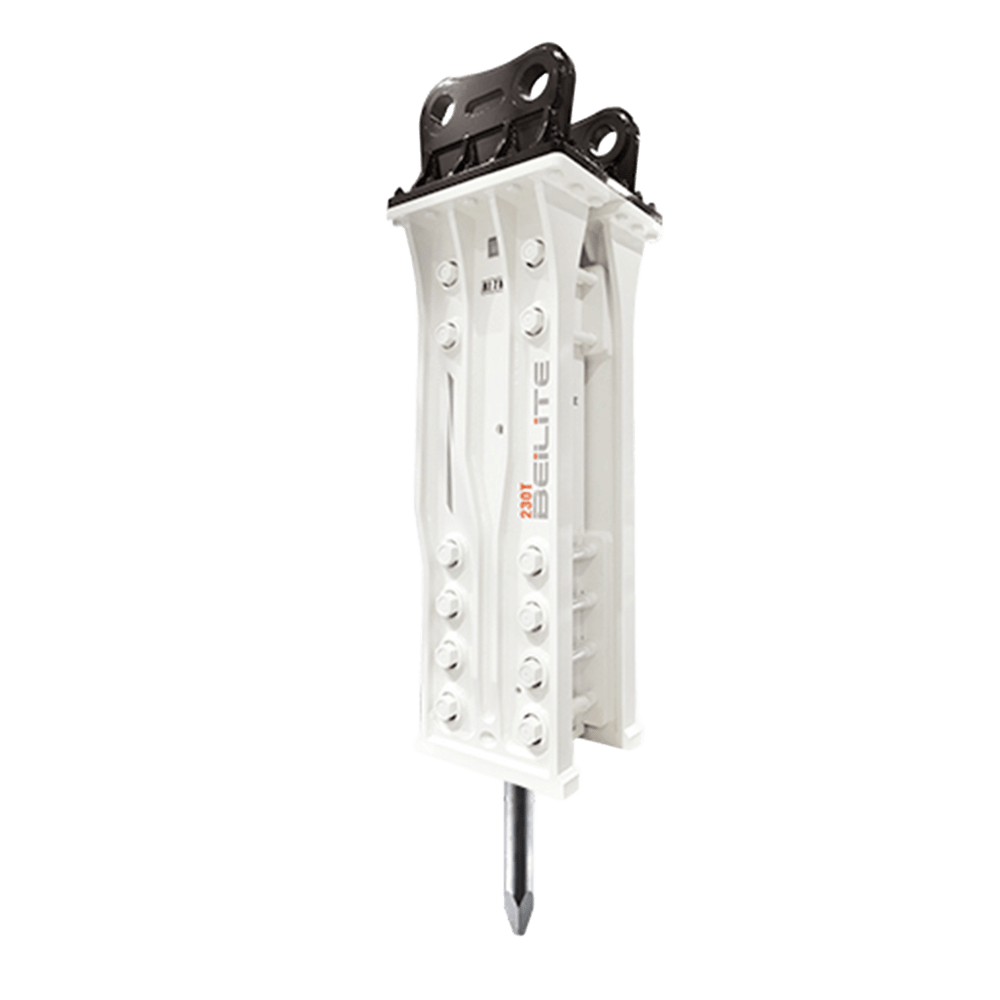
BLT-230 Top Type
| KEY SPECIFICATIONS | ||
|---|---|---|
| Metric | Unit | |
| Carrier Weight | 75 ~ 100 | ton |
| Operating Weight | 12000 | kg |
| Impact Frequency | 80 ~ 100 | bar |
| Overall Length | 4009 | mm |
| Working Oil Flow | 420 ~ 480 | bar |
| Operating Pressure | 300 ~ 330 | bar |
| Relief Pressure | 350 | bar |
| Back Pressure | 32 ~ 35 | bar |
| Accumulator Pressure | 75 ~ 80 | bar |
| Tool Diameter | 230 | mm |
| Hose Diameter | 1.1/2 | |
| Functions | |
|---|---|
| Functions | Standard [●] Option [○] |
| Impact Frequency Control | ○ |
| Automatic Lubrication System | ○ |
| ABF (Anti-Blank Firing) System | ○ |
| BLTBM (Remote Tracker) | ○ |
| Dust Suppression System | ○ |
| Sound Supression Unit | ● |
| Dust Protector | ○ |
| 2-Level Stroke Control | ○ |
| Accumulator | ○ |
| Extra Accumulator | ● |
| Exchangeable Wear Plate | ○ |
| Exchangeable Inner Bushing Sleeve | ○ |
| High Temperature Skit | ● |
| Underwater Application | ● |
View Current offers
Build&Quote
Contact Local Dealer
Download Brochure
Request Demo
Features
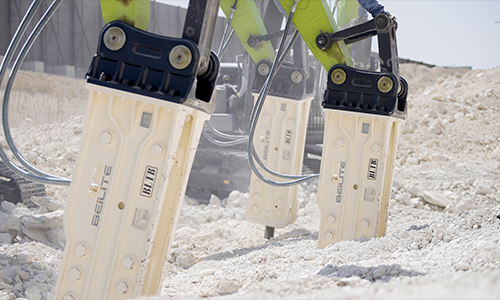
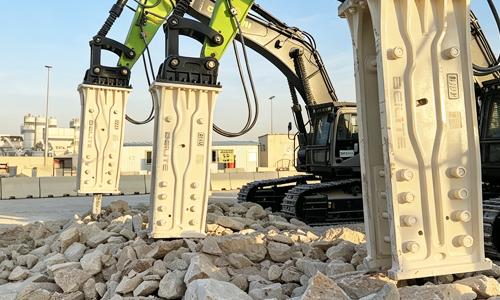
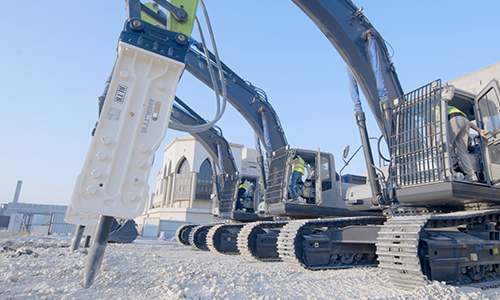
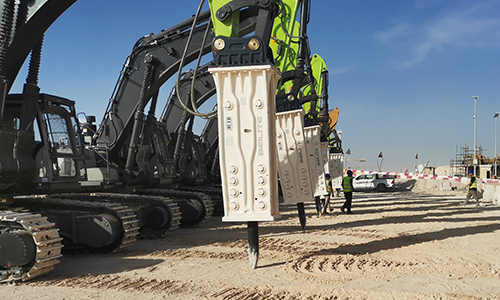
The 230 mm chisel and 80–110 BPM impact rate provide strong breaking force for large rock, concrete structures, and other hard materials.
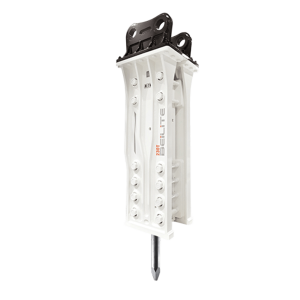
The elevated mounting position concentrates impact force, making the breaker effective for demanding vertical breaking applications.
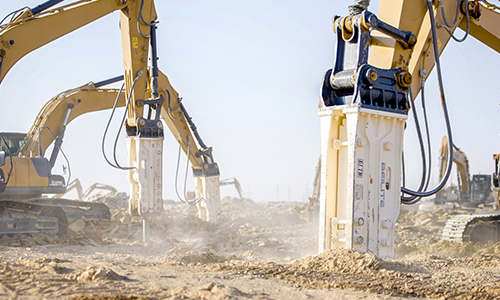
The tower-type structure provides a wide working range for demolition, tunneling, trenching, and other challenging positions.
The robust construction is designed for demanding applications, while the maintenance-focused design helps simplify routine servicing.
Related products
BLT-230 Top Mounted Hydraulic Breaker
FAQ
The BLT-230 is designed for 75–100 ton excavators. Beilite lists compatible machines from brands including Doosan, Caterpillar, LOVOL, LiuGong, Hitachi, Sany, Volvo, XCMG, and ZOOMLION.
The recommended working oil flow is 420–480 L/min, with a working pressure of 300–330 bar and a relief pressure of 350 bar. It uses a 1½-inch hydraulic hose.
Operators should regularly inspect the chisel, wear parts, hydraulic hoses, mounting connections, lubrication points, and nitrogen pressure. Keeping the hydraulic system within the recommended operating range helps maintain stable performance and reduce unnecessary wear.